
By Badrul, Masud, Water Quantity Engineer, OMAFA; Kathryn Carter, Fruit Specialist OMAFA and Rebecca Shortt, Manager IE|EMB/FSED, OMAFA
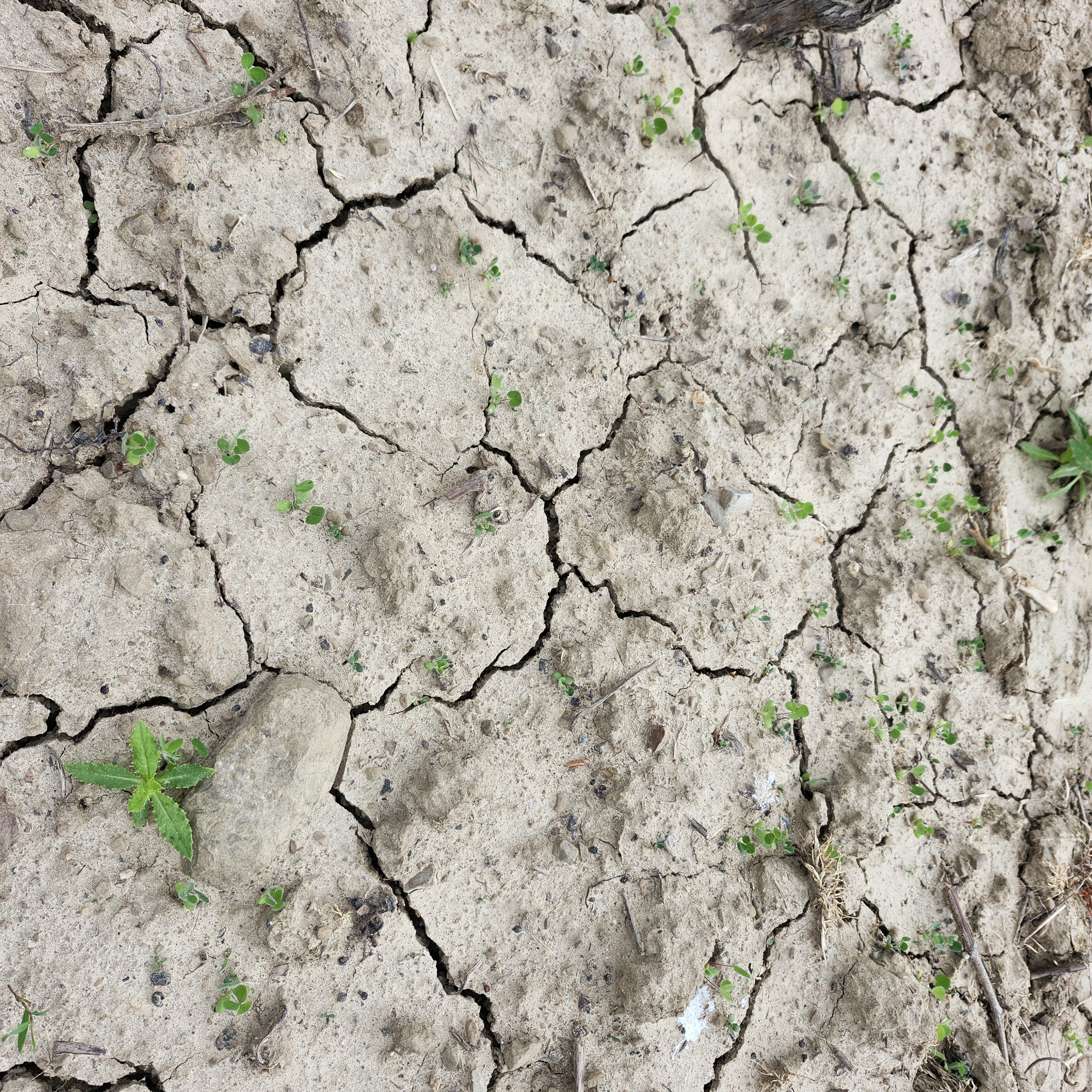
It has been very dry in some grape-growing areas across the province. Although grapes are more tolerant of dry conditions than other horticultural crops, adequate moisture is needed to ensure vine health, yields, and fruit quality. As wells run dry and there are no on-farm irrigation systems, grape growers are finding it challenging to keep the vines healthy during the dry periods. The current conditions emphasize the need to develop a comprehensive drought response strategy, including infrastructure planning to develop adequate irrigation water supplies and irrigation systems. In the meantime, however, you can still protect your vineyard, especially young vines, with strategic, manual watering.
- Alternative Water Sources for Vineyards Without Irrigation Systems
- Purchase water from a water hauling company and hold it in tanks. This is costly over time and requires adequate storage infrastructure (large tanks, delivery access).
- Purchase municipal water from hydrants. This may be more expensive and not always available, depending on the location of the vineyard.
- Access water from a neighbour. A written agreement may help to ensure the sharing arrangement is clear for both parties and help avoid disputes. Ensure that the total withdrawal complies with the Permit To Take Water (PTTW) issued by the Ministry of Environment Conservation and Parks (MECP). A PTTW is required for takings of 50,000 litres or more on any one day from any water supply, either groundwater (wells) or surface water (pond, stream, wet area, ditch etc.). 50,000 litres is equivalent to approximately half an acre irrigated with one inch of water. For more information about PTTWs see https://www.ontario.ca/page/permits-take-water or call 1-800-461-6290
Plan for developing a new water supply in advance of future droughts. Include time and consideration of PTTW approvals and requirements from MECP. Possible options include:
- Reuse of tile drainage water: Capture tile drainage water from nearby fields in lined reservoirs.
- Winter/spring runoff storage: Build lined reservoirs to store excess seasonal water.
- Rainwater harvesting: Collect and store roof runoff from barns using cisterns or tanks.
- Develop new wells: Assess potential access to deeper aquifers with guidance from local well drillers or hydrogeologists.
- Soil moisture conservation: Use mulch to retain soil moisture.
2. Prioritize Newly Planted vines or Young Vines (1-2 years old)
Newly planted grapevines require proper watering for establishment, early growth, and survival. Young vines are drought-sensitive due to their limited root development. Under dry conditions, they quickly become stressed with pale and wilted leaves, scorched margins, flaccid tendrils, or slowed shoot growth.

Figure 1 Newly planted grape vines are more drought sensitive due to their limited root development.
3. Mature vines: While mature grape vines have better developed root systems and require less water, adequate moisture is needed to keep the vine alive, to produce adequate yields/fruit size for the current crop. Grapes produced in a dry growing season make high-quality wine, however, water- or drought-stressed grapevines have a negative impact on yields and wine quality. Drought-stressed vines produce berries that are smaller in size, shrivelled, and have looser clusters. Severe water stress can delay ripening and have a negative impact on the sugars and phenolic compounds in the fruit. Wines produced from drought-stressed vines age poorly and have a short shelf life. Water-stressed vines are more prone to nutrient deficiencies and have reduced bud fruitfulness for next year’s crop and decreased cold hardiness.
The amount of water needed for grape vines varies depending on climate (rainfall/temperature), soil type, cultivar, grape vine density, rootstock, vine vigour, cover crops, crop load, and stage of development. Generally, red grape varieties require less water than white varieties. Adequate moisture is required from bloom through veraison, as water stress at this time can reduce berry size and yields.
Recommendation: Prioritize watering the young vines first, as mature vines with deeper roots are better able to withstand drought. Irrigate young vines frequently to replace moisture in the root zone, and progressively wet a larger volume to encourage expansion of the root system.
Recommended regimen:
- As a general guideline, apply about 25 L of water per square meter each week–that is roughly four standard watering cans–for small areas, especially when cover crops or grass between rows are competing for moisture and canopies begin to close. This equates to 250,000 L (25 mm depth) per hectare or roughly 100,000 L (1 inch depth) per acre. If you are using a tractor with a water cart:
- Measure the area: for instance, if rows are 1 m apart and you water a 100 m row, that is 100 m2 → 2,500 L per week.
- On a daily schedule (5 days/week): that is 500 L/day for one 100m row.
- More specific to young vines, apply 2 L per vine every other day. Using a 500 L tank, you could water 250 vines with every tank load (V. vinifera vines are generally planted at 1210 vines per acre, and hybrids at 968 vines per acre).
- or 3–4 L per vine every 3–5 days, depending on heat and soil type. This scheduling promotes deeper rooting without causing waterlogging.
- Generally, mature vineyards require 1 inch (25 mm) of water every week. Vineyards with deep-rooted vines (>0.5m) and moisture in the deeper, more clayey soils can be watered less frequently, such as every 2-3 weeks.
4. Best Practices for Manual Watering
- Keep water close to the root zone: Wet only around the vine base and avoid flooding beyond that zone.
- Water frequently but in reasonable amounts: Mimic drip irrigation by watering in smaller doses more often.
- Let the soil dry slightly between watering: This encourages deeper root development and improves drought resilience.
- Water during the cooler parts of the day: Early morning is best–it reduces evaporation losses.
5. Monitor for Stress
Regularly check vines for signs of drought stress, such as:
- Pale or wilted leaves
- Leaves that feel hot to the touch, and orient to the sun
- Leaves senesce early and have premature leaf drop
- Scorched edges or drooping tendrils
- Slowed growth or premature leaf drop.
Trigger watering when you notice these symptoms, particularly in young vines. During extended dry conditions, consider applying water when the top 2-3 inches of the soil are dry.
6. Other things to consider
- Manage weeds to reduce competition for water.
- If grapevines are experiencing severe drought stress and irrigation can not be applied, then reduce or remove the crop to reduce stress on the vine.
- Consider buying a good rain gauge that will help provide a better understanding of how much rain the crop is receiving. Rain gauges are one of the best low-cost tools for saving irrigation water
Final Takeaways
- Prioritize: Young vines are most at risk.
- Measure: Know your watering capacity and area to be irrigated
- Apply wisely: Smaller, focused doses help roots and conserve water.
- Observe and adjust: React to vine and soil conditions.
Even in the absence of a full irrigation system, you can sustain your vines by applying water manually and prioritizing young or stressed plants. However, trucking water for an entire vineyard is rarely sufficient and can be costly and inefficient. To avoid this challenge in the future, it is wise to start planning for a permanent irrigation setup that can support your vineyard during dry periods.
For more information about irrigation, see OMAFA irrigation resources https://www.ontario.ca/page/agricultural-irrigation
This article is informed by content from previously published resources: ‘Young Grape Vines and Drought‘ (July 2020), ‘Small-Plot Irrigation – Are You Applying Enough?‘ (June 2016), Effects of Dry Conditions on Grapes . Drought monitoring and irrigation for apples and grapes | UMN Extension
0 comments on “Watering Strategies for Grape Growers without irrigation”