
By Kathryn Carter, Fruit Specialist (Tender fruit and Grape), OMAFRA
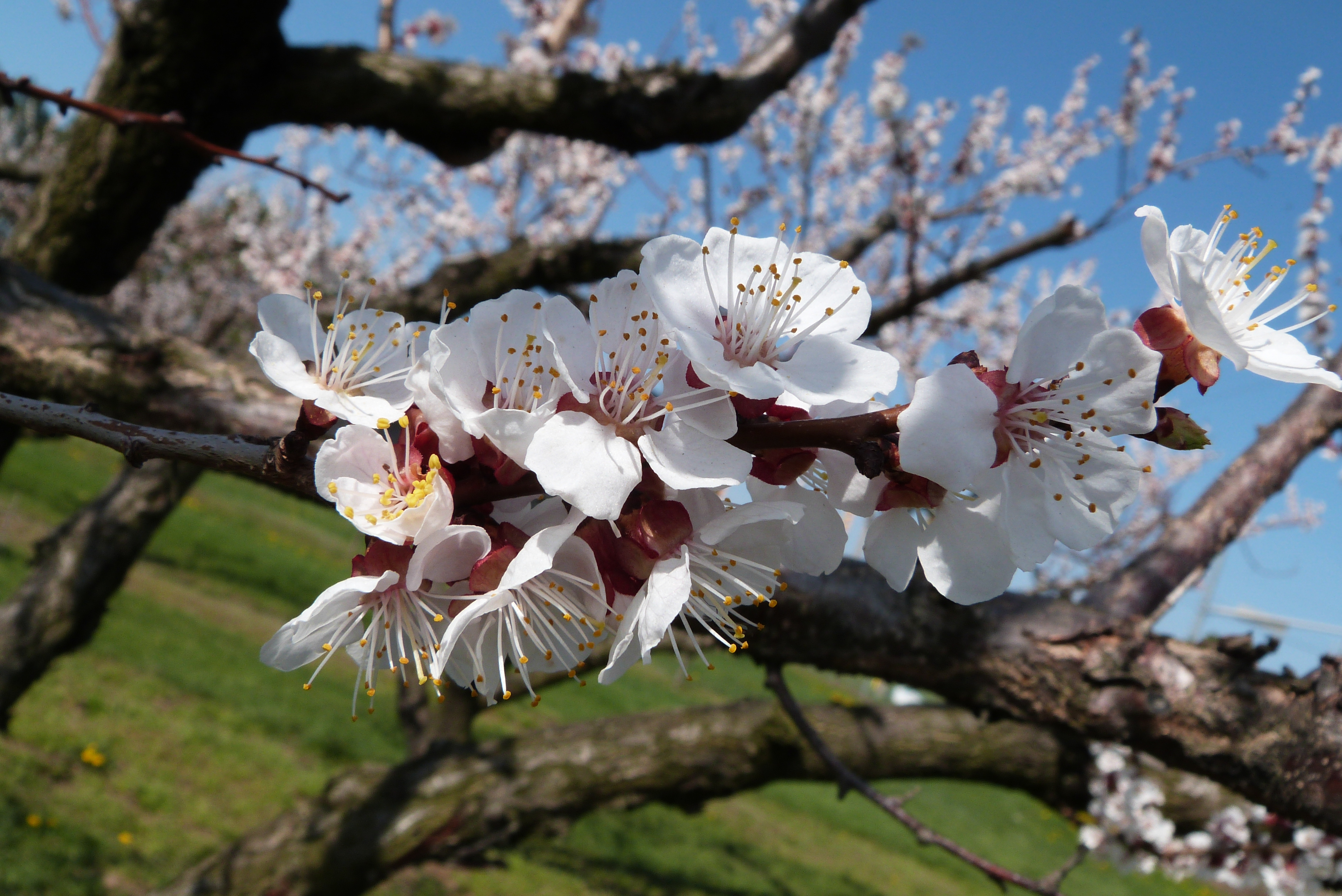
Apricots, plums, and peaches are in various states of bloom, and overnight temperatures dropped as low as -2° or -3° C in several fruit growing areas, resulting in increased risk of frost injury. Cold temperatures can damage flowers, fruit buds, and young fruit. Damaged flowers will turn brown, wilt and drop from the tree. Cold injury to the flower pistils reduces and prevents pollination, while injury to the ovaries kills flowers.
The risk of frost injury is influenced by many different factors, including: timing/stage of crop development, weather conditions, variety/rootstock.
Spring Frost
As buds and blooms begin to swell it is important to watch the weather conditions and forecast for frost and implement frost mitigation practices accordingly.
The table below shows the average temperatures required to kill 10 % and 90% of buds. Plants are not affected by windchill, so always use the actual air temperature when assessing the risk of frost injury.
Table 1.0 Critical Spring Temperatures for Tree Fruit and Small Fruit Bud Stages
Compiled by Mark Longstroth, District Extension Horticulture Agent, MSU Extension –temperature in Celsius

Old standard temperature is the lowest temperature that can be endured for 30 minutes without damage. This chart also shows the temperature that will kill 10 % and 90 % of normal fruit buds. These numbers were taken from Washington (WSU), Michigan (MSU) and North Carolina (NCS) Extension Bulletins. Apple – WSU EB0913, Pears – WSU EB0978, Sweet Cherries – WSU EB11-2.2, Peaches – WSU EB0914, Apricots – WSU EB1-4.40, Tart Cherries – MSU Research. Rpt. 220, Portions of these bulletins are posted at Gregg Lang’s Fruit Bud Hardiness Page at the MSU Horticulture Department
Things to keep in mind
•Weather conditions preceding cold nights can affect bud hardiness. Prolonged cool weather tends to increase bud hardiness during the early stages of bud development.
•The cold intensity and duration of the cold event impact the severity of the damage.
•Cold injury can vary within individual trees, across a block, and between blocks, largely due to differences in topography and air drainage. Cold air tends to settle in low-lying areas or frost pockets, leading to greater injury in these locations-particularly in the lower portions of the tree.
•Developmental stages differ widely among crops and cultivars, strongly influencing their susceptibility to frost injury. Apricots are the earliest blooming crop and are more prone to cold injury than other crops. Cultivars with a delayed bloom (ie. cultivars such as Galaxy Donut, New Haven, Glowingstar, Starfire, Blushingstar, O’Henry, PF-24C) tend to be more resilient to frosts, while varieties that bloom early (PF-23, Suncrest, PF-19007, Glohaven and Redhaven) are more vulnerable to spring time frosts.
•Rootstock selection impacts the risk of frost injury. Guardian and Lovell rootstocks acclimate rapidly in the fall but also de acclimate quickly in the spring, which increases their vulnerability to spring cold events. In contrast, Krymsk 86 acclimates more slowly in the fall and de acclimates later in the spring, making it more tolerant of spring frosts.
Assessing cold injury in Tree Truit
After a frost event, it is important to evaluate for frost/cold damage as the extent of damage will impact future crop protection practices and thinning programs. It takes several hours for symptoms of frost damage to develop. As the frozen tissue thaws, affected tissue it will appear black or brown showing the extent of the damage. Collect 10 shoots, each with approximately 10 buds (100 buds total) from differing heights in the tree (high and low) and different locations within the orchard. Keep samples from different cultivars separate by bundling with flagging tape and a label.
Bring the samples back from the orchard and place the base of the shoots into a bucket (or a can) with water. Allow them to warm up at 21° C for a minimum of four hours, which will make the damage tissue become more apparent. Cut the buds or blossoms vertically, using a sharp blade.
Stone fruit (peaches, nectarines, cherries and plums) flowers have a single pistil (the female part of the flower). If the pistil is brown or black (Figure 1) it has cold injury and the fruit will not develop. Injury to peach pistils can be more difficult to assess due to the fuzz. Healthy buds/flowers will have green pistils.
In apple and pear clusters the blossom in the centre of the cluster (king bloom) is the furthest advanced within the fruit cluster and is most likely to be killed in a frost event. The king bloom produces the largest fruit and is the most desirable of the flowers in the cluster. Frost injury assessments should focus on the king bloom. Pistils of apples and pears are buried inside the base of the flower, meaning it is necessary to tear the flower apart (cross section vertically) to see if the centre of the flower is brown or black. Often times, king blooms may have damage, yet side blooms remain undamaged. For additional photos of cold injury see Evaluating Tree Fruit Bud and Fruit Damage from Cold – Colorado State University Extension.pdf

Assessing the Impact of Frost Injury on Yields
Fruit trees have more blooms then are required to set a crop. With large fruit like peaches and pears, only 10% of the blooms need to set fruit for a crop, so small amounts of cold injury, can help with crop thinning. Smaller fruit like cherries require 50% fruit set for a full crop and are generally impacted by frost events.
Conclusion
The impact of cold temperatures on tender fruit trees varies depending on stage of crop development, weather conditions, variety/rootstock and production practices (crop load, harvest time). It is important to monitor weather conditions and check tree fruit buds for cold/frost injury as injury can have a significant impact on pruning and production decisions.
0 comments on “Too Cold for Comfort: Risk of Frost Injury in Tender fruit”