
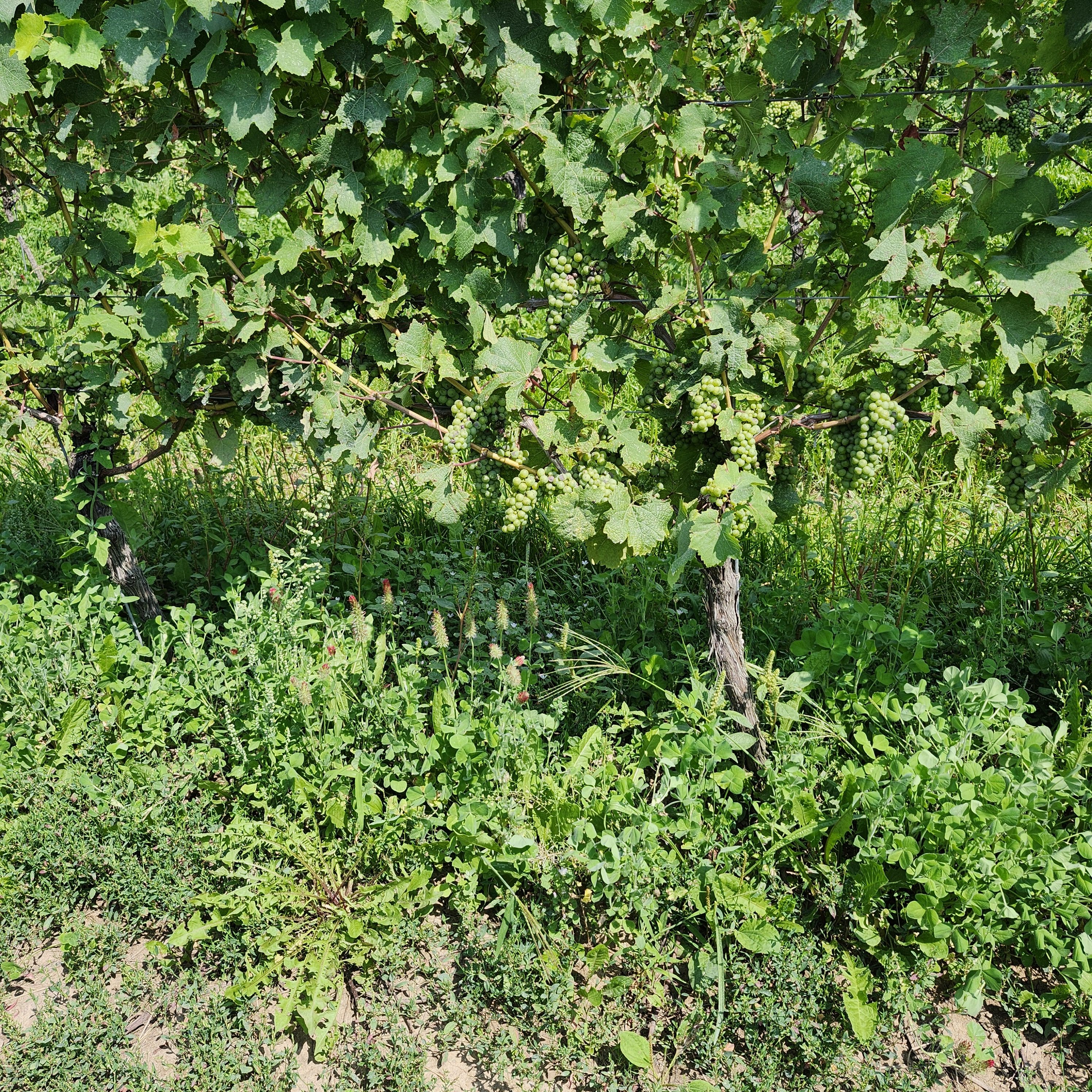
Kathryn Carter, Tender fruit and Grape Specialist
Tender fruit and Table Grapes
Tender fruit harvest continues across Ontario, with harvest wrapping up on Red Haven, VG400 and starting for Allstar and Coralstar. The excessive rain events in North Niagara in recent weeks caused significant flooding in orchards, vineyards, homes and buildings, creating many challenges for growers.
Growers should continue to monitor trees in flooded areas for symptoms of root damage or root hypoxia (lack of oxygen) including leaf yellowing, wilting and premature leaf drop. Flood stress can also affect fruit quality. Research has shown that fruit from flooded trees produce ethylene earlier, and soften more quickly after harvest (Insausti and Gorjón, 2013) impacting their storage potential. Other reported symptoms associated with flooding include corky fruit and increased fruit drop (Alvino et al., 1986).
Research conducted in other production regions has indicated that prolonged periods of heavy rainfall (3 days of heavy rain), rather than single extreme rainfall events, are more likely to cause fruit drop, skin streaking, bronzing, and wrinkling in peaches and nectarines nearing maturity. Check out the ON fruit blog for additional information on managing flooded vineyards.
Table grapes are at veraison, which is the best time to for petiole sampling and nutrient analysis to support informed fertility management decisions. For more information on petiole sampling see the wine grapes section below.
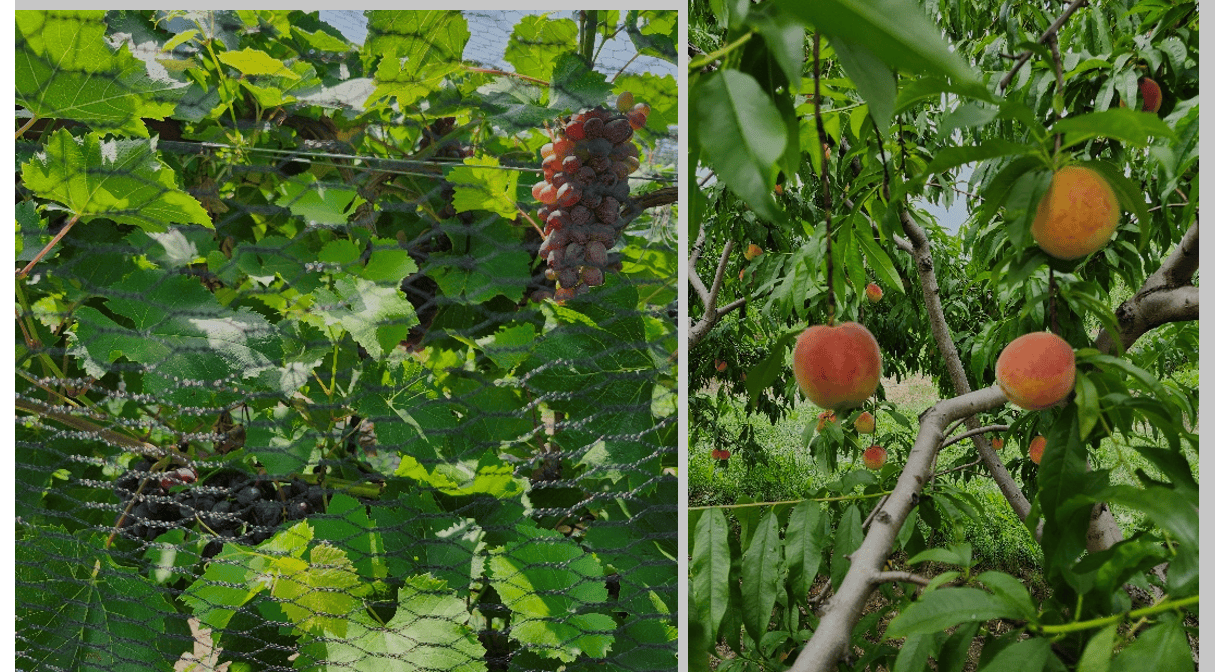
(Left ) Jupiter table grapes NOTL, August 13, 2026, (Right) Hanson peaches, Lincoln August 13, 2026 (photo by: H. Knafelc)
Wine grapes
The excessive rain events in North Niagara in recent weeks caused significant flooding in orchards, vineyards, homes and buildings, creating many challenges for growers. In vineyards affected by flooding it is important to monitor vines for symptoms of root damage or root hypoxia (lack of oxygen) including leaf yellowing, wilting and premature leaf drop. Check out the ON fruit blog for additional information on managing flooded vineyards.
Many wine grape varieties are starting veraison, the growth stage that is recommended for petiole sampling and nutrient analysis to make informed fertility management decisions.
During the recent Triggs International Premium Vinifera Lecture Series, Fritz Westover highlighted some new research findings from the High Resolution Vineyard Nutrient Management (HIRES) project. Preliminary results suggest that leaf blade analysis may provide a more accurate assessment of vineyard nutrient requirements than traditional petiole analysis.
While these findings are promising, additional research and data review are needed before determining whether the nutrient thresholds developed through the HIRES project are applicable to Ontario vineyards. Although grapevines have similar fundamental nutrient requirements across growing regions, recommendations between grape growing areas may not be directly transferable due to differences in soils, rainfall, and irrigation practices. OMAFA will be reviewing existing data and conducting additional research to develop leaf blade nutrient recommendations that are specific to Ontario growing conditions and soil types.
Downy mildew pressure has been high this year. If you have downy mildew- Dr. Wendy McFadden-Smith is interested in samples for a downy mildew survey. For more information on downy mildew check out: Downy mildew.
With the onset of veraison, comes increased issues with birds in vineyards. Information on bird management options is available through OMAFRA at:
0 comments on “What’s up? Tender fruit and Grape Update August 14, 2026”